
Topics
Click a topic to jump to that section
Your Tenant Rights
FAQ on Student Tenant Rights
Dutch tenant law protects you from unfair eviction, even with student contracts.
Eviction and Ending Your Rental Contract
Eviction needs a legal reason, such as severe rent arrears, serious nuisance, or the end of a valid fixed-term or campus contract. “I just want you out” is not a legal reason. Only a court can approve eviction.
Changing locks, turning off utilities, or removing belongings without a court order is illegal. For most student housing, landlords must give at least 3 months’ notice.
You can usually end an open-ended contract with 1 month’s written notice.
Example: If your landlord asks you to move out after you graduate under a campus contract, that’s allowed, but they still must give proper notice and cannot evict overnight.
Repairs and Maintenance
You have the right to a safe, well-maintained home, but responsibilities are shared.
- Landlord’s duty: Major structural and safety issues are the landlord’s responsibility to fix. For instance, issues with heating systems, plumbing, roofs, or unsafe wiring are all up to the landlord.
- Tenant’s duty: Minor daily maintenance like light bulbs, mold cleaning, or unblocking a drain.
- Example: If your heater stops working in winter, the landlord must repair it. But if your shower drain clogs from hair, you’re expected to fix or clean it.
Tip: Always report major issues in writing; it creates proof and deadlines for repair. If your landlord ignores it, you can involve the Huurcommissie (Rent Tribunal).
What kind of housing do you have?
The rules you fall under depend on whether your home is regulated (social) or free market. Your rent level is based on a points system (woningwaarderingsstelsel)for size, facilities, and energy label.
- Under 144 points: Social housing. Rent is capped, and you can challenge overpricing at the Huurcommissie.
- Above 186 points: Free-market housing. Rent is mostly unregulated, but you can still contest unreasonable service costs.
Example: If your single student room with shared kitchen scores 120 points but costs €700, it’s likely overpriced and can be challenged.
Where to get help
The Huurcommissie website offers rent calculators and online forms for disputes about rent, repairs, or service costs. Many student unions also have legal help desks that guide international students through this process
Getting an Energy Contract
Energy Contracts 101
Some rentals include energy bills in the contract, like student rooms or shared housing. If you have this, you have the right to:
- clear, itemised service costs (e.g. cleaning, internet, furniture), and
- to see an annual overview. If amounts are unreasonable, you can ask for a correction and go to the Huurcommissie.

Energy Contract Terms
Types of Energy Contracts
Price per kWh
Type of Energy
Promotions
Switching Penalty
Terminating Old Contracts
When Should You Switch Providers?
The Contract is Expiring
What to do:
- Compare rates with other providers; renew if best, or switch to variable.
You’re Moving Out
What to do:
- Change address or find a new supplier quickly.
It’s Too Expensive
What to do:
- Prices fluctuate so always compare current offers versus your current contract.
Look For Energy Efficiency Ratings
Energy Labels and Ratings
Energy ratings directly affect your energy bills. If you’re already working within a tight budget, a poor energy label could push you into energy poverty. Read on to find out how to find your energy label, and what this means for you.
What Energy Ratings Mean
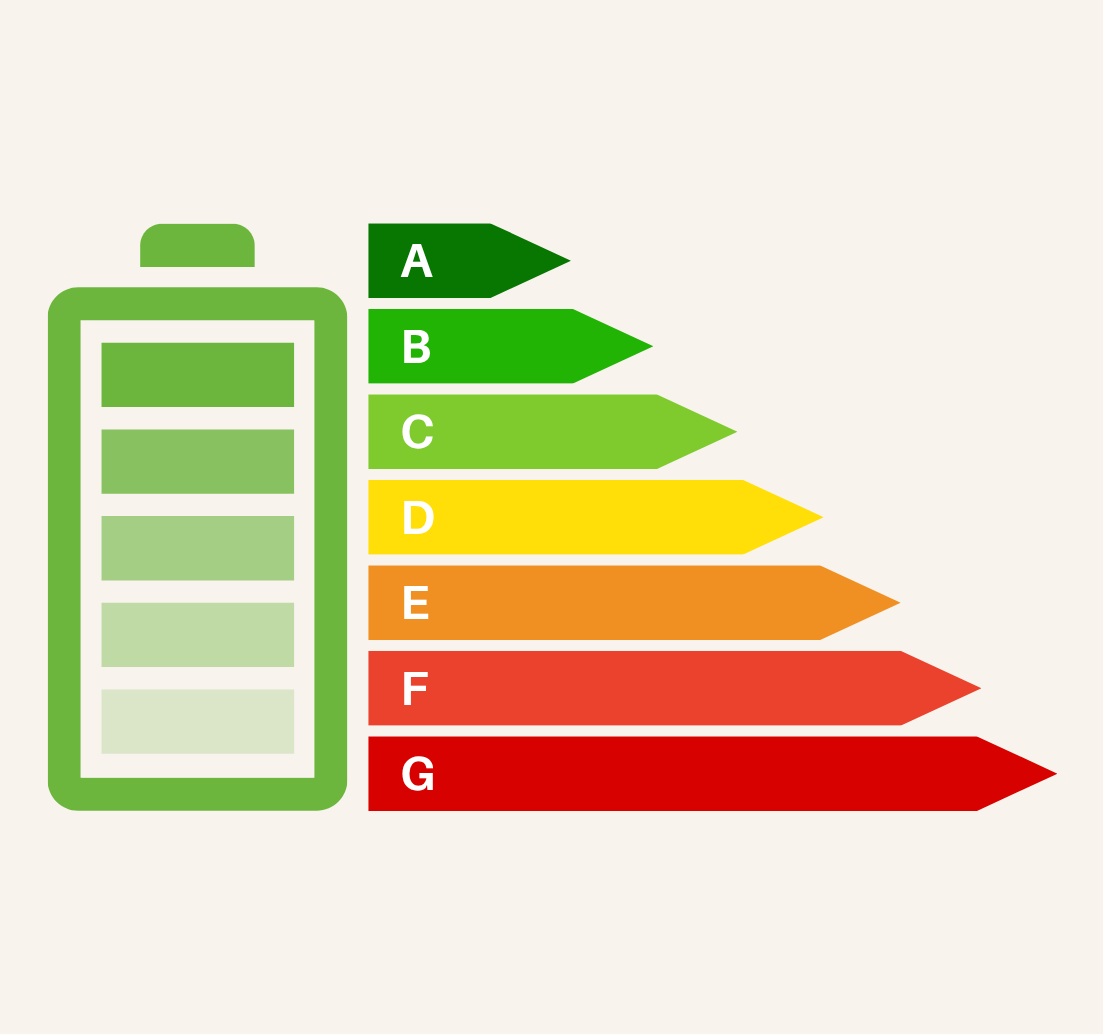
Since 2021, home energy labels span from A++++ to G. The higher the label, the less energy your home uses per square metre. This makes your home more energy efficient and lowers your energy bills.
Your energy label is influenced by your home’s insulation quality, its heating efficiency (e.g. of boilers and heat pumps), and renewable systems (e.g. solar panels). This label is assessed by a professional surveyor and is valid for 10 years.
Find your energy label in 2 steps
Step 1
Go to Energielabel.nl
Step 2
Enter your: Home type (owner-occupied or rental apartment), house and addition number, and postal code.
Not working? If nothing appears, try refreshing the page, using incognito mode, or writing your postal code with capital letters and no space (i.e. XX1234). If your home got its energy label before 2015, it may not be in the registry. You can ask your landlord what your label is.
Ratings system since 2021:
Before 2015, the same A to G energy labels existed, but in a much more qualitative way. Many dwellings had no label at all until 2015, when the Dutch government provided one to every home. From 2015 to 2020, Dutch energy labels were similar to the current energy labelling system, with the only change being that A energy labels are less differentiated.
| Energy Label | Energy Consumption per m2 | Relative Level of Energy Consumption |
| A++++ | 0 kWh | Net zero (Best) |
| A+++ | Less than 50 kWh | Very low |
| A++ | 50 – 75 kWh | Low |
| A+ | 75 – 105 kWh | Low |
| A | 105 – 160 kWh | Low |
| B | 160 – 190 kWh | Low |
| C | 190 – 250 kWh | Somewhat low |
| D | 250 – 290 kWh | Average |
| E | 290 – 335 kWh | Reasonably high |
| F | 335 – 380 kWh | High |
| G | More than 380 kWh | Very high |
Staying Warm in the Winter
Home Insulation Tips
Landlord and Tenant Responsibilities
Landlords are responsible for:
- Major maintenance and repairs (heating systems, insulation, plumbing, structural issues)
- Ensuring the accommodation meets basic safety and habitability standards
Tenants are responsible for:
- Daily upkeep and minor repairs (replacing light bulbs, keeping the space clean)
- Properly ventilating the room to prevent mold
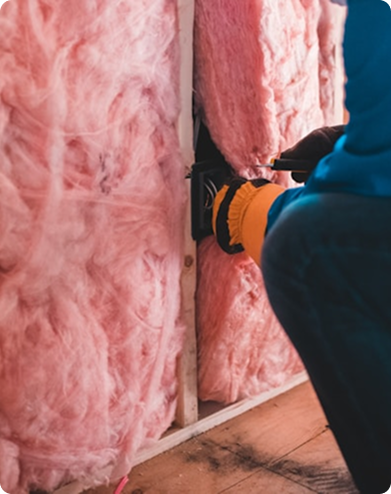
Request permission from your landlord before making structural changes or carrying out renovations (like painting walls or adding fixtures).
Easy, Rental-Friendly Ways to Insulate Your Home

Stick aluminium foil sheets (radiatorfolie, €5–15/roll) behind radiators to bounce heat back into the room.
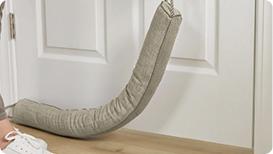
Use door draft stoppers (tochtstopper, €5-10) and weatherstripping tape (deurafdichtende tochtstrip, €3–8/roll) around frames to block drafts.

Hang heavy, thermal-lined curtains (thermische gordijnen, €20–50/pair) or DIY window insulation film kits (raamisolatiefolie, €10–15/set). Seals gaps and reduces heat loss by 20–30%.
Useful Websites and Links

Local and Free Legal Help
Het Juridisch Loket
Offers free first-line legal advice on housing, debt, income etc. In some cases, mostly if your income/savings are low, they can also offer more personal help.
For students, they can help with any contract doubts, (threatened) eviction, conflicts with landlord or municipality, combining rent issues with benefits or debt.
They are available through their website, phone and walk-in/appointments in the bigger cities
Local student legal clinics
There are also some local teams that may be able to help, such as the Juridisch Studentenloket at HU, Huurteam Eindhoven or other university legal desks.
These teams offer low-threshold advice on housing disputes, can help with checking contracts, rent levels and can help with drafting letters.
Huurcommissie
A public body that can resolve disputes about rent level, rent increases and service costs, especially in regulated and middle-segment housing.
Steps for filing a case:
- Go to the Huurcommissie website
- Log in using your DigiD
- Click on “Nieuwe procedure starten” (Start a new case)
- Choose the correct form (depending on what issue you want to pursue)
- Fill in the required info
- Pay the tenant fee (25 euros, refunded if you win)
- Wait for hearing and written decision, timelines can vary